
Atascadero Resident Lookup Coverage
Treat an Atascadero resident lookup as a record trail. The San Luis Obispo County assessor is the strongest stop for parcel questions, searched best by address or APN, while voter status takes a personal route or a permitted file request. Court, vital, deed, license, business, directory, and unclaimed-property records add dates, roles, and relationships. None is a master resident roll. Each entry names a person in a role. It may be an owner, party, agent, listed occupant, or reported property holder. That is not proof of residence today.
| Record | What It Confirms | Where | Access |
|---|---|---|---|
| Assessor and tax | Ownership, situs, mailing lead, APN, values | SLO Property Inquiry Portal | Address/APN public; owner-name mode limited |
| Voter status or file | Personal status or permitted residence/status data | My Voter Status and County Elections | Personal route or qualified application |
| Court records | Party roles, filing dates, hearings, disposition/status | re:SearchCA, clerk, kiosk | Post-2014 web route; older exact-name request |
| Deeds | Named parties and legal parcel trail | Official Records Search | Index 1923-present; images from August 8, 2001 |
| Vital records | Birth, death, marriage, and relationship clues | County Clerk-Recorder or CDPH Vital Records | Authorized or informational rules |
| Business and license | Entity affiliation, service address, credential status | bizfile and DCA Search | Free searches; address is not necessarily residence |
| Directories and yearbooks | Historic listed occupant, trade, classmates | Libraries, archives, local collections | Verified years are incomplete |
| Unclaimed property | Reported owner name, locality, and holder | State Controller search | Free; not current residence proof |
Begin with the record that fits the clue in hand. An address points to an APN. The parcel map on the assessor's side then shows the lot. A case number or license number beats a city name every time. Family-history work may open with a directory, yearbook, obituary, or vital index. From there it moves to a deed or court record. Keep the source date and role attached to every result, since that habit keeps an agent address, a mailing address, and a listed occupant from collapsing into one identity.
Build a Two-Identifier Atascadero Match
Two independent anchors are the core rule of any resident lookup. Run the surname, given name, middle initial, nickname, and any former or married name as separate variants. Each spelling is its own search. Then attach at least two facts that do not come from the same index. An APN with its legal description works. So do a case number, entity number, license number, event date, spouse or relative, or an uncommon middle name. A city match alone never carries a common name.
- Normalize the name. Write every spelling, initial, nickname, and former name before opening a result.
- Choose the lead record. Use a known address for the assessor, a date or party role for court records, or a business or license number for an affiliation question.
- Add an independent anchor. Compare the APN, legal description, case number, event date, relative, entity number, or uncommon middle name.
- Compare roles and dates. An owner, grantor, court party, business agent, and listed occupant are different record roles.
- Save the custodian, search date, result fields, and access limit. A later correction belongs with the office that created the record.
This method holds up across many goals. It suits a classmate search, a family-history clue, an heir trail, or a public filing. It also sharpens a miss. "No hit in the post-2014 court index" means something different from "no person exists." "No owner-name web match" is not "no parcel record."
Atascadero Court Lookup After 2014
re:SearchCA is the main remote option. It covers public San Luis Obispo Superior Court cases filed after 2014. A lookup starts with a case-number or party-name choice. Then come first, middle, and last name fields. Location, court, and category or date filters appear where the participating court exposes them. Registration may be required for remote document access. Coverage is county-participation based, so it is not a complete California statewide docket. On July 1, 2026, the court changed its third-party access route. It pointed most post-2014 case viewing to the portal. Courthouse kiosks and copy requests still matter.
| Search type | Case Number or Party Name. |
|---|---|
| Party name | First Name, optional Middle Name, and Last Name. Run variants separately. |
| Case number | Exact identifier route when a file number is known. |
| Location or court | Choose a participating court when the portal presents that control. |
| Category or date | Optional case category or filing-date narrowing, depending on portal configuration. |
| Result controls | Search and Reset; remote document access can require registration. |
A result can show plenty. Expect the case number, case title, party names and roles, case type, filing date, court or location, register-of-actions events, hearing dates, and any disposition or status entered. That display is an identity anchor, not a promise that every filing is viewable online. Sealed documents stay sealed. Protected identifiers and confidential case classes remain restricted too. Criminal papers open at a courthouse kiosk may hold distinctions a remote summary never shows.
- Case number and title connect the name to a particular file.
- Party role and case type show how the person appears in the matter.
- Filing date, hearings, register events, and disposition create a time line.
- Access notes explain whether an image is remote, kiosk-only, redacted, or unavailable.
Older Atascadero Court Lookup
The San Luis Obispo court clerk is the fallback for pre-2014 exact-name criminal research. Staff search exact first and last names. A middle name and file-date scope are optional extras. The clerk will not use a date of birth or partial date of birth for a third-party name search. List every spelling and middle-name variant. Requests go by mail to 1050 Monterey Street, Room 220, San Luis Obispo, California 93408, by email to SLOCRIM@SLO.COURTS.CA.GOV, or in person, and the court offers no fax and allows up to 30 days. The clerk response itself will say what came back.
- State the record type, exact name variants, date span, and any known case or document identifier.
- Choose the needed copy: Complaint/Citation, Probation or Sentencing, Disposition, Penal Code section 1203.4 order, minute order, Entire File, or Other.
- Allow for the stated copy rate of $0.50 per page, a $15 research charge when work exceeds ten minutes, and $40 for certification.
- Use the court's payment and return instructions. Mail requests need a self-addressed stamped envelope; email return is available where the clerk permits it.
A clerk response has limits. Same-name results can stay unresolved without a second anchor. Sealed, juvenile, adoption, mental-health, and confidential family material may be unavailable too. Penal Code 1203.4 relief does not erase every trace. Say whether a result is an index, a copy, a certified document, or a restricted response.
Federal Atascadero Resident Lookup
San Luis Obispo County federal cases belong to the Central District of California rather than the state superior court system. PACER supports party and case-number searches there. Federal and state dockets stay separate. A name found in one does not prove the same person appears in the other. The official PACER access page shows the federal route. It serves an Atascadero resident lookup built on a case number or party name.
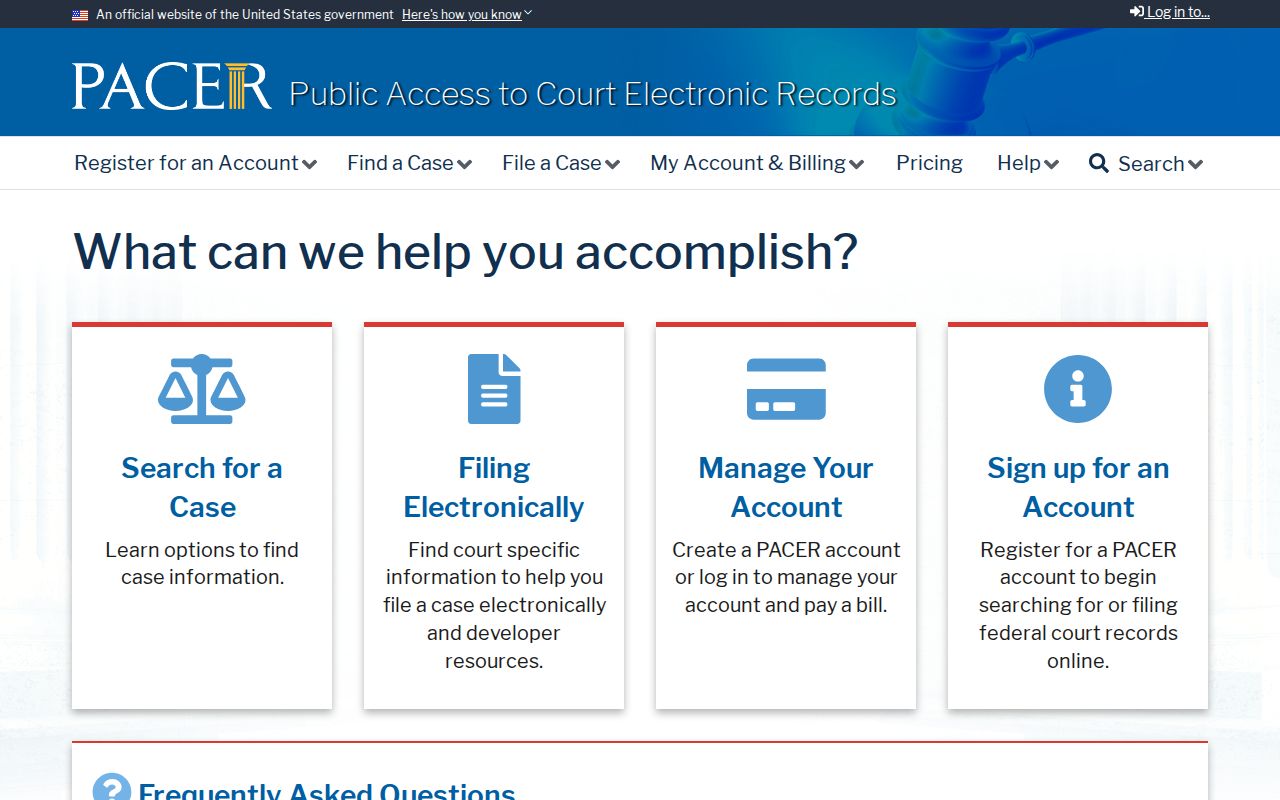
PACER generally charges $0.10 per page. The cap is $3 per document. A quarterly fee waiver applies below the judiciary threshold, so verify the current schedule before ordering, and save the district, case number, party role, filing date, and document label together.
- Docket
- The running record of a case, including filed events, hearings, orders, and status entries.
- Index versus image
- An index identifies a record; an image or document supplies the underlying filing, order, or legal text.
- Certified copy
- A copy marked by the custodian as a true official copy, which is different from a screen result or ordinary printout.
Atascadero Lookup: Owner, Agent, Occupant
Property questions in an Atascadero residents directory usually start with an address. The San Luis Obispo County property rolls sit behind a portal, not an owner-name browse. The Property Inquiry Portal accepts a full or partial APN or situs address. It returns plenty. Expect situs and mailing addresses, land and improvement values, parcel characteristics, ownership shares where public, document history, ownership history, and parcel-map PDFs. Owner-name searching is not an open web feature. Counter visits or authenticated access can add routes.
Situs means the physical parcel itself. A mailing address is where mail goes. It may belong to an absentee owner, a trust, or a business, so it says little about who actually lives in Atascadero. A homeowner exemption is supporting evidence at best. The city's eTRAKiT portal searches current and recent permits, projects, properties, registered professionals, and business licenses by site address. Records may list an applicant, contractor, professional, permit number, status, dates, valuation, work description, reviews, fees, or inspections, and each of those names is a record role rather than proof of occupancy.
Business and license records need the same care. California bizfile shows an entity name or number, status, jurisdiction, filed statements, agent, and service address. The Secretary of State does not gather beneficial ownership in an ordinary entity search. An agent's address exists for service of process. A DCA credential can corroborate a name and an affiliation, but a public business address is not a home address.
Vital Copies in Atascadero Lookup
Vital records anchor many an Atascadero resident lookup with an event and a relationship. An index, though, is not a certificate image. The San Luis Obispo Clerk-Recorder and the California Department of Public Health separate authorized certified copies from informational certified copies. An informational copy generally cannot establish identity. Confidential marriages stay restricted under Family Code sections 509-511. Adoption records and original birth certificates are generally sealed under Health and Safety Code section 102705 and Family Code section 9200 and following. A birth-family question needs the right consent, agency, intermediary, or court route, not a public name index.
Fees differ by office. For 2026, CDPH lists $31 for a birth certificate, $26 for death, $19 for marriage, and $18 for a divorce certificate of record. The county schedule effective July 1, 2026 sets $34 for birth, $26 for death, $23 for fetal death, and $19 for marriage. These are search fees. The office can retain them when it issues a Certificate of No Public Record. CDPH has no public walk-in counter. For county events, the local recorder is the practical channel.
Coverage has gaps. CDPH public-marriage certificates cover 1905-1999, 2001, and 2008-2025. The missing years, 2000 and 2002-2007, must come from the county recorder that issued the license. A divorce certificate of record is not the decree. For family history, pair an event clue with an obituary, cemetery record, census, probate file, street directory entry, or newspaper notice. Then request whichever copy type the applicant is allowed to receive.
DCA Clues in an Atascadero Lookup
The California Department of Consumer Affairs search offers Board or Bureau, License Type or Number, Business, First, and Last fields. It also includes a Registry Number field. Advanced controls appear where a board offers them. Results may show status, issue or expiration dates, public location, and discipline. Anchor on a license number or an uncommon name. Then compare the result against a permit, an entity filing, or another dated record.
A credential is one more thread. The California license search shows the public fields. Those fields can support an Atascadero resident lookup through a credential record.
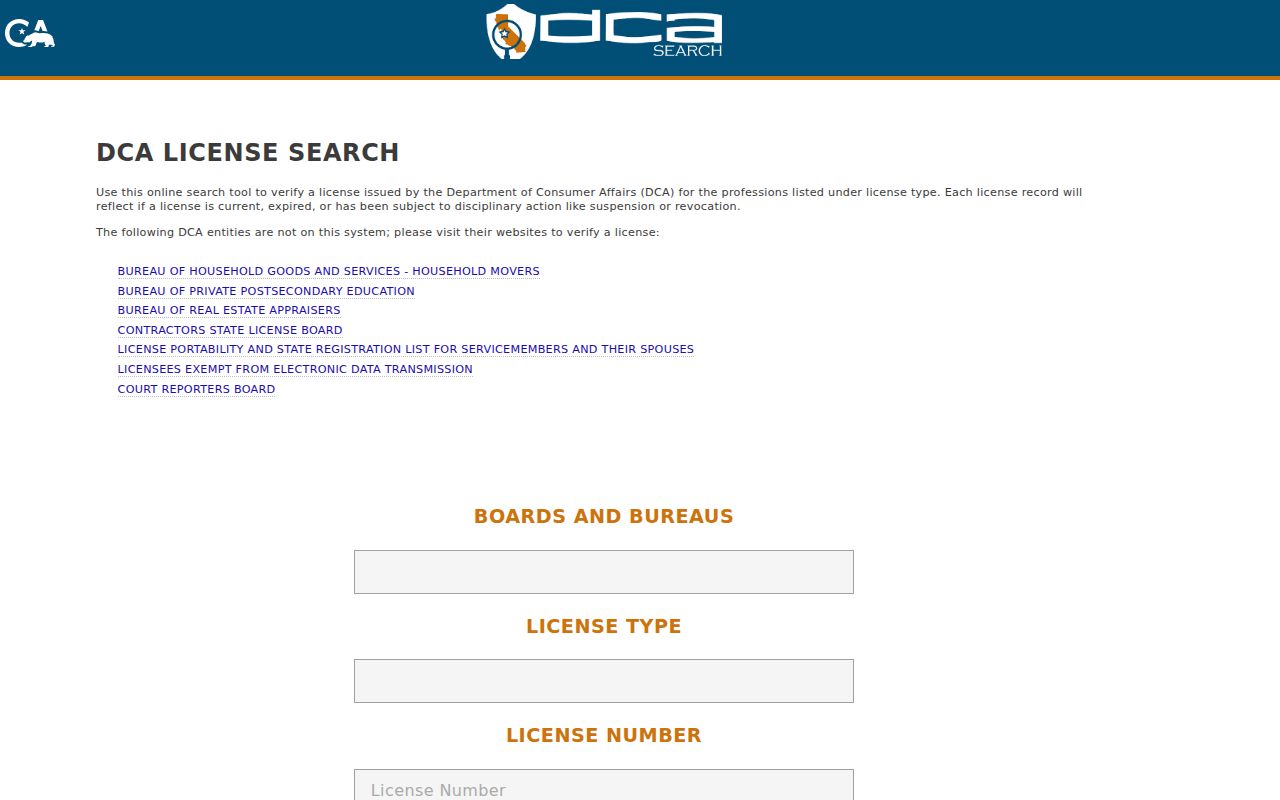
A credential has limits. A license result confirms a public business or service location, not a private residence, and it cannot resolve every person with a similar name. The California State Controller unclaimed-property search is another free name route built on reported owner and locality fields. They describe a property report, not a current address.
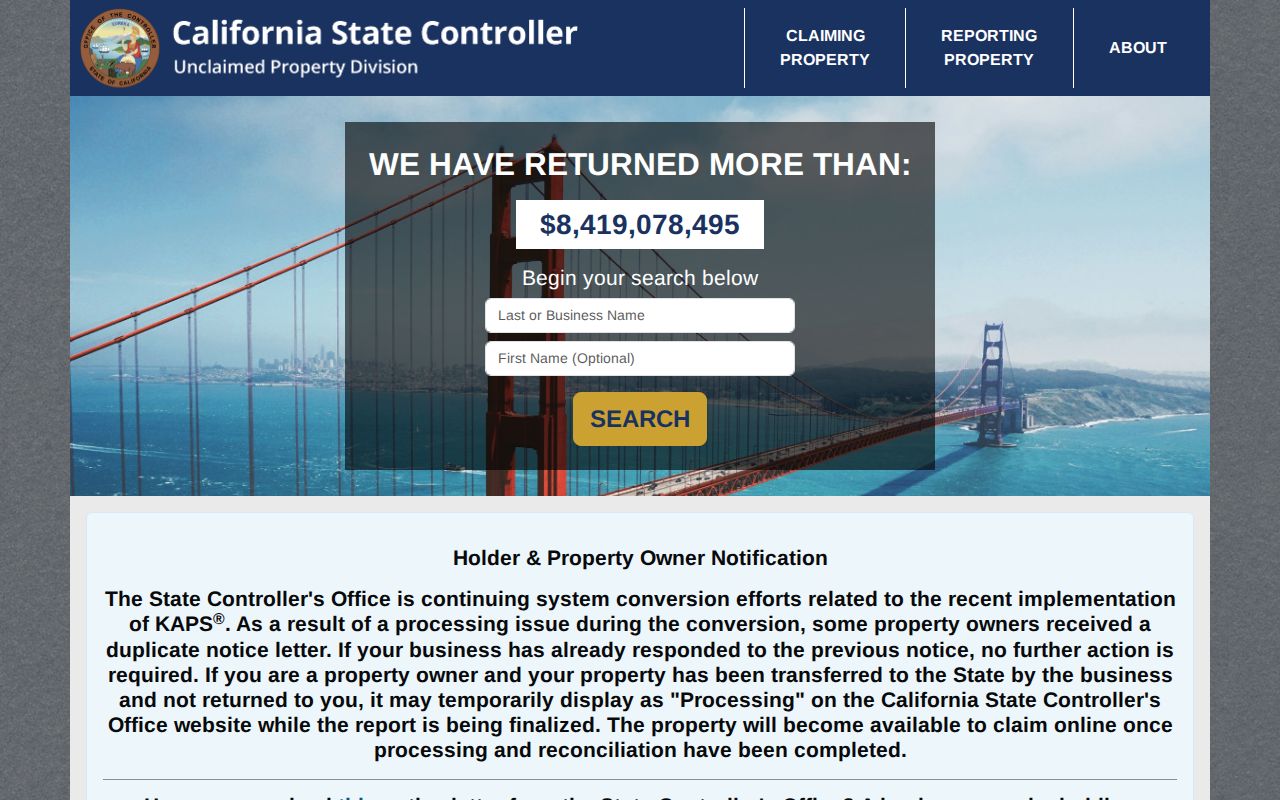
A match is only a lead. Names, former addresses, holders, and claim details point somewhere. Never pay a finder to search a free state system, and never assume a claim means the person lives in Atascadero now.
Atascadero Lookup Privacy Boundaries
California draws a firm line between public records and protected personal data. My Voter Status is one example. It asks for your own first name, last name, date of birth, and last four digits of a driver license or California ID. It is not a by-name voter index anyone can search. Elections Code sections 2180 through 2194 keep voter files purpose-limited. Section 18109 makes knowing unauthorized acquisition or use a misdemeanor. The file route stays reserved for political, election, scholarly, journalistic, or governmental purposes.
Safe at Home goes further. It substitutes a protected mailing address for qualifying survivors. Those include survivors of domestic violence, sexual assault, stalking, trafficking, child abduction, elder or dependent-adult abuse, and certain reproductive-health or public-entity workers. The program can shield an address across government records. Property bought in a participant's own name may still show a legal description. California's DROP platform launched in 2026. Registered brokers began deletion processing on August 1, 2026. Deletion requests bind participating brokers only. They do not touch the lawful originals kept by a recorder, court, assessor, or vital custodian.
The California Megan's Law website shows only legally disclosable registrants. It also warns that a result is neither a complete clearance nor an identity guarantee.
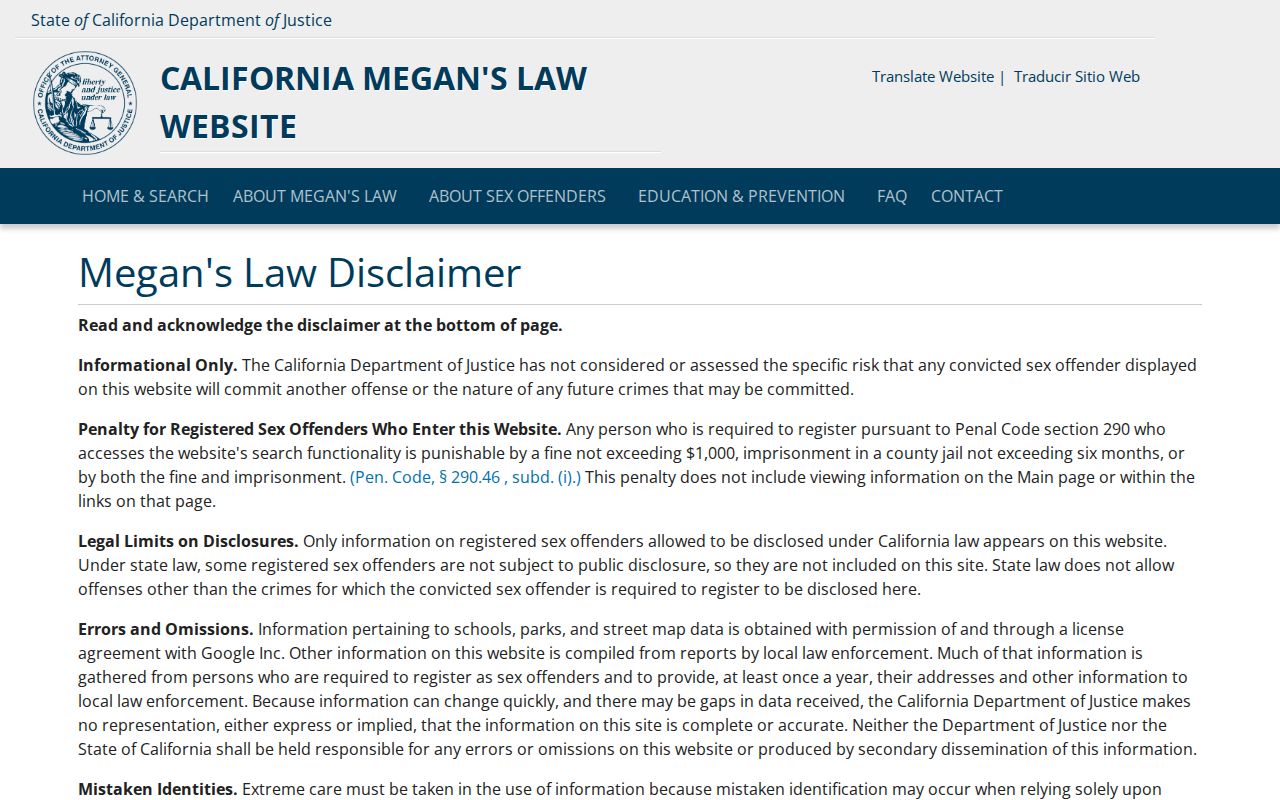
Privacy rules shape what an Atascadero residents directory can show. Statute bars some registrants from appearing at all. Others appear with details trimmed to a ZIP code, city, or county level only. A missing entry is a limit of the registry, not proof that no record exists.
Lawful personal use. An Atascadero resident lookup may support genealogy, reconnecting, records research, civic understanding, and personal safety. Do not use a name, address, or public record to stalk, harass, intimidate, or expose protected information. California Penal Code section 646.9, Elections Code section 18109, and Megan's Law section 290.46(j) carry distinct consequences.
Errors happen in any resident lookup. When one does, take the source identifier and your supporting proof straight to the custodian of the record. No Atascadero residents directory can fix a record on its own. It cannot repair a deed, docket, vital certificate, license, or voter file. A careful lookup always ends at the office that holds the record. Give the clerk a plain statement of what the record proves. Say also what it leaves open.